
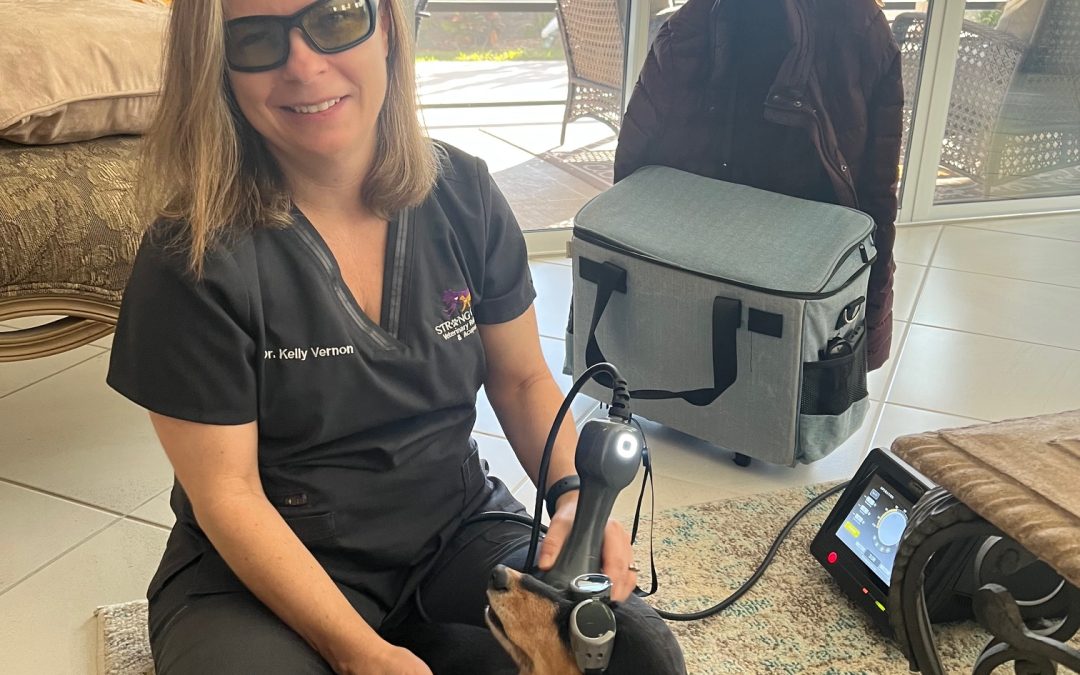
If your dog is slowing down on walks or your cat hesitates to jump onto furniture, physical rehabilitation (rehab) can make a real difference. Just like in people, pet rehab uses targeted exercises, hands-on therapies, and pain-management techniques to restore function, reduce discomfort, and improve quality of life.
What is veterinary physical rehabilitation?
Physical rehabilitation is the structured process of helping animals recover from injury or pain, restore function, and improve movement.
It blends:
- Therapeutic exercise for strength, balance, flexibility, and coordination
- Manual therapy (massage, joint mobilizations, myofascial release)
- Modalities (laser therapy, shockwave, PEMF, ultrasound, TENS/NMES, heat/cold)
- Gait training and mobility aids (harnesses, carts, braces)
Plans are individualized after a thorough assessment of your pet’s strength, range of motion, gait, pain, and lifestyle.

Key benefits for dogs and cats:
For pets with arthritis, the goal is a multimodal pain control approach to encourage more movement, reduce pain flares, and reduce reliance on pain medication when able. After an animal undergoes surgery, we want to provide a faster, safer recovery. Rehab also guides tissue healing and helps prevent compensatory strain.
For our older patients, we can work to improve balance and body awareness, provide weight management plans, assess supplements for best effects, and enhance quality of life.
Which pets benefit?
- Post-surgery: Cruciate repairs (TPLO/TTA), patella luxation, fracture repairs, spinal surgeries.
- Orthopedic conditions: Hip/elbow dysplasia, osteoarthritis, lumbosacral disease.
- Neurologic issues: Intervertebral disc disease (IVDD), fibrocartilaginous embolism (FCE), degenerative myelopathy (DM).
- Soft-tissue injuries: Tendon/ligament strains, shoulder injuries.
- Senior pets: Stiffness, weakness, reduced balance.
- Working/sporting dogs: Conditioning and injury prevention.
- Cats with arthritis: Hesitating to jump, missing the litter box, or grooming less can all be signs.
What does a typical rehab session look like with Strong Strides?
It all starts with an initial assessment. I will gather a thorough history, assess posture and gait, palpated the spine and limbs, and assess range of motion and pain. By providing this in your home environment, we can reduce stress and anxiety for your pet. This allows us to get a better assessment of their true status without the tension and hiding of symptoms that can occur in a clinic environment.
An assessment of the home environment is also done so we can modify areas that might be difficult to navigate for your pet and tailor the plan to allow for optimizing mobility around the home. We will also discuss YOUR goals for your pet. This may include a return to sports, increased walks or play time, or just an overall increase in comfort.
After the initial examination of your pet and discussion of history and any concerns, I will tailor a plan to meet your pet’s needs. This could include one or many rehab modalities, a home exercise plan for you to follow, and an adjustment of medications or supplements for optimal pain control.
Frequency of needed visits varies by case, but many pets start with weekly sessions and taper as they improve. I will work with you to consider your schedule and lifestyle to best suit your needs.
Frequently Asked Questions:
Will it hurt?
Rehab should not be painful. Some muscle fatigue is normal, but plans are adjusted to keep pets comfortable.
Can cats really do rehab?
Yes—sessions are shorter, quieter, and built around natural feline behaviors and positive reinforcement.
Can insurance help?
Many pet insurance plans cover rehab after injury or surgery; check your policy and ask your provider for itemized invoices.